

I saw a headline that said the U.S. Dollar had the weakest first half of a year since the 1970s. What does that mean, and why should you care? Let’s explore.
Higher Prices on Imported Goods
When the dollar weakens, imported goods become more expensive. That’s because the purchasing power of the dollar goes down.
More Expensive International Travel
When traveling overseas, you receive less foreign currency upon exchange than you used to. When this happens, it takes more dollars to buy the same goods. The price on hotels, food, or local transport abroad may not have gone up – you just had to convert more dollars to receive the same amount of pounds, francs, or euros.
Fuel and Energy Costs May Rise
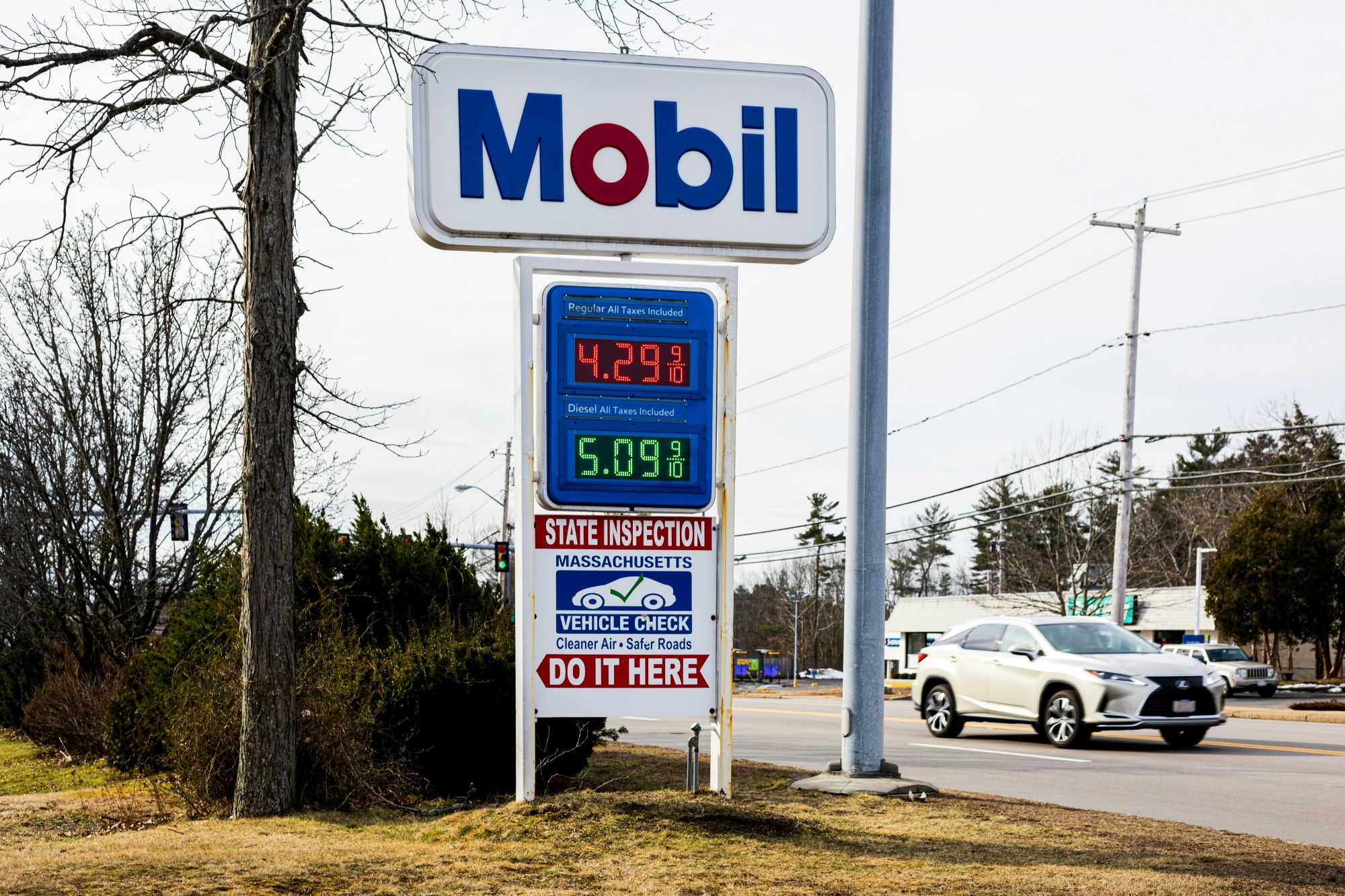
Because oil is largely priced in dollars globally, a weaker dollar can cause higher oil prices. This has a downstream effect on the cost of gas, heating, airline fares and shipping costs that can impact grocery prices. The cost of energy can be a key input for a business, and oil prices can have a significant impact on the economy.
Higher Grocery Bills
As described above, higher costs on imported goods and more expensive energy are not friendly trends. You may find that groceries continue to get more expensive.
Potential Inflationary Pressure
A theme has started to emerge…things get more expensive. If the last few years haven’t been enough of a lesson, here it is: the cost of living rises while wages are slow to keep up. Not good!
Changes to Interest Rates
Financial pundits and the market continue to expect interest rate cuts later this year. Those cuts may still come, but a handful of respected leaders have cautioned that rates could actually rise if inflation starts to get too high.
Investment Portfolio Impacts
While domestic-only businesses would have to grapple with higher input costs, multinational companies may benefit from an increase in value on their foreign earnings.
Final Thoughts
As I have said before, attempting to crystal ball the future is a difficult endeavor. The best course of action to protect your finances is to stick to your values and the fundamentals – limit debt, maintain a financial buffer, and stay the course.
Discover more from The Budget Brainiac
Subscribe to get the latest posts sent to your email.


