

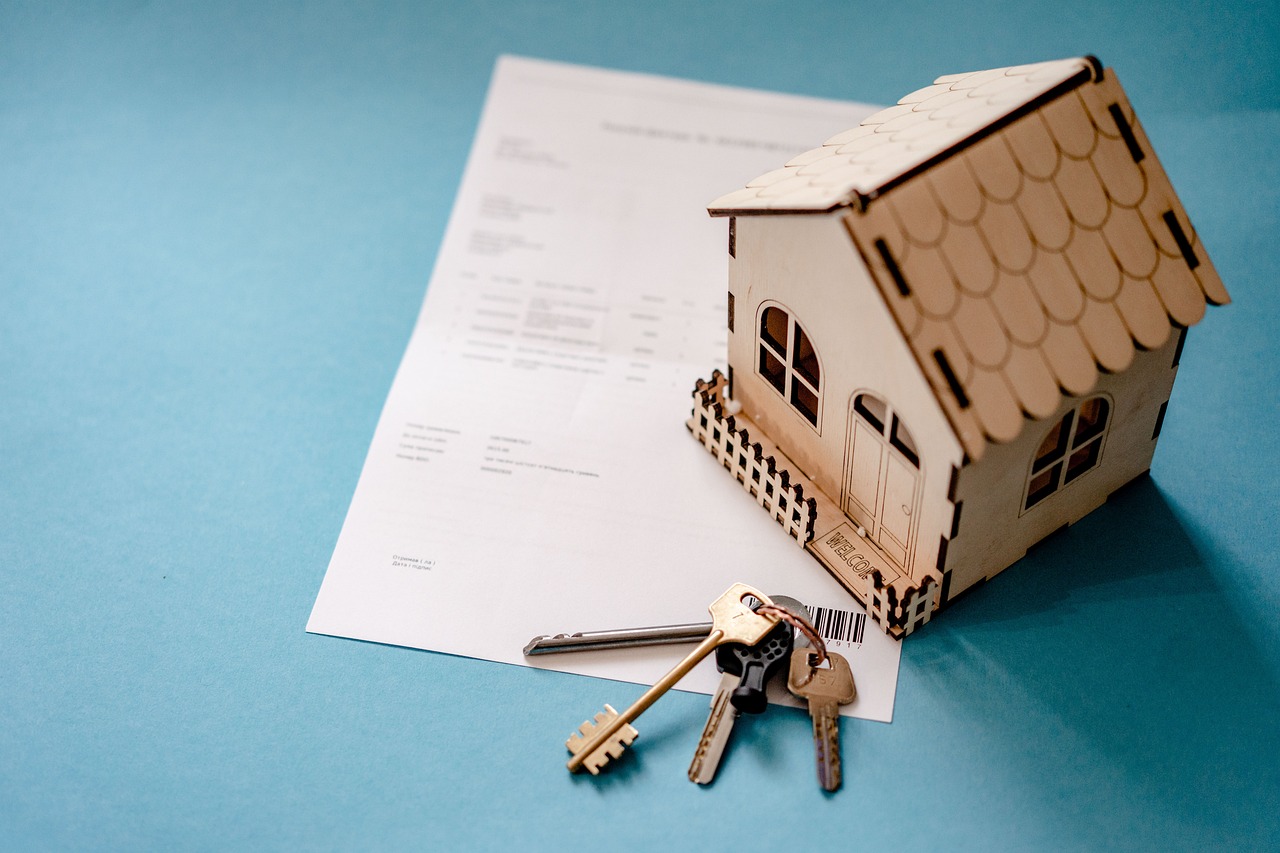
Paying down a mortgage early is perhaps the most commonly debated personal finance topic. If you advocate for paying it down early, you are immediately criticized for being unable to perform math. Likewise, many who advocate for an early paydown might fail to understand the opportunity costs involved with such a move.
So, Who is Right?
The answer – which may come as no surprise at all – is that only you can determine which path is right for you. What’s most important is that the benefits and drawbacks of each approach are understood, so that the decision is well-informed and one you feel confident in.
Investing in the Market
Let’s start with the main counterargument for investing disposable income rather than paying down the mortgage early.
Historically, the S&P 500 has returned an average of 8-10% annually over several decades. Opponents of mortgage paydown argue, why pay down a mortgage with an interest rate of 3% when you could be investing those funds and earn 8% in the market?
It’s a fair, well-reasoned point. A mortgage with a 3% interest rate is historically low and paying that off early would come at the expense of earning far more in the market, especially considering the effects of compounding. That money, invested and left untouched, could become 100,000s of thousands more than the interest saved on the mortgage.

But what if your mortgage were 6%? Would a guaranteed annual return of 6% be worth more than an uncertain but likely 8%?
Why You Might Pay Off the Mortgage Early
Paying the mortgage off early provides something that math can’t account for: peace of mind. Proverbs 22:7 tells us that “the borrower is slave to the lender”. There is something profound about not owing anything to anyone and guaranteeing shelter for your family.
It also provides another big, less discussed advantage over investing: cash flow. Housing is the biggest expense for most families, and with that obligation wiped away, you can now invest what you used to owe the bank. Maybe you want to save more for your child’s college, buy more real estate, or take more vacations. Whatever the case may be, that opportunity is now available.
Final Thoughts
Both approaches have merits. The lower the rate on your mortgage, the more the math favors investing. Yet, owning your home outright brings peace of mind, significant breathing room financially, and new opportunities.
If you’re like me and you find yourself wanting to do both, consider a hybrid approach. You can always add an extra $100 or $200 principal payment each month, while investing in the market at the same time. This can be especially useful if your mortgage rate falls within the gray area of 4.5%-7%.
Discover more from The Budget Brainiac
Subscribe to get the latest posts sent to your email.


